In Search of Africa’s Majestic Wildlife Icons: A Traveler’s Story
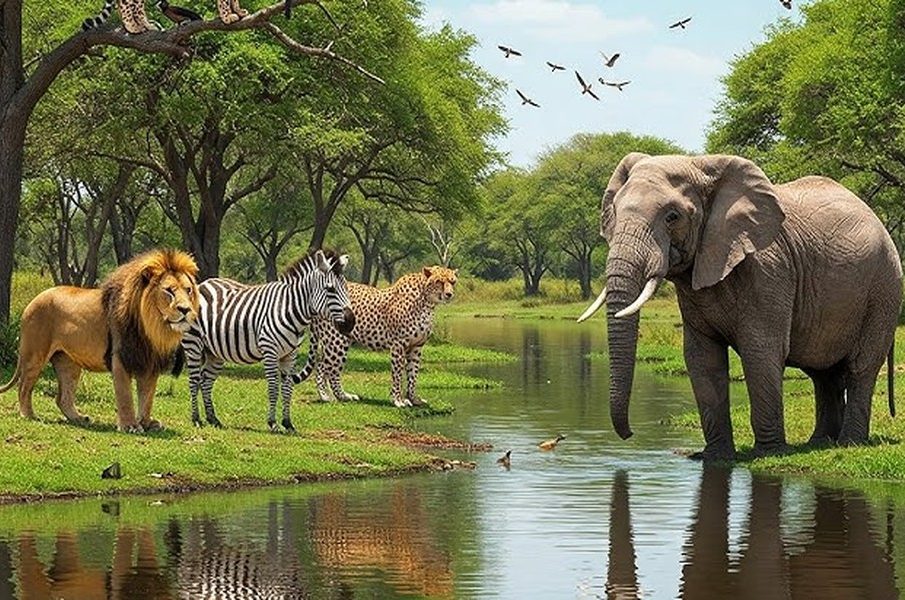
The idea of a big five safari carries a certain magic. For many travelers, it represents the ultimate wildlife experience-a journey into the heart of Africa to encounter some of the most powerful and iconic animals on Earth. The lion, elephant, leopard, rhinoceros, and buffalo have long captured the imagination, symbolizing both the beauty and raw intensity of the natural world.
But beyond the excitement and anticipation lies a deeper story. A big five safari is not just about spotting animals; it is about patience, perspective, and understanding the rhythms of nature. It is about moments that unfold slowly, sometimes unexpectedly, and often leave a lasting impression that goes far beyond photographs.
This article shares a traveler’s story of searching for these majestic wildlife icons. It explores not only the thrill of the journey but also the lessons, emotions, and insights that come with experiencing a big five safari in a meaningful way.
The Beginning of the Journey
Every big five safari begins with a sense of curiosity and expectation. Before even arriving, there is an image in mind of what the experience will be like. Wide landscapes, golden light, and the possibility of encountering wildlife at any moment create a feeling of anticipation.
The first drive into the wilderness often feels surreal. The environment is vast and alive, yet calm. There is no guarantee of what will be seen, and that uncertainty becomes part of the experience.
Unlike structured travel itineraries, a big five safari follows the pace of nature. Early mornings and late afternoons become the most active times, while midday offers a chance to reflect and observe the surroundings.
This beginning sets the tone for the journey, reminding travelers that patience and awareness are essential.
Understanding the Meaning of the Big Five
The term “big five safari” originates from a historical context, referring to animals that were once considered the most challenging to track. Today, the meaning has evolved. It now represents a celebration of Africa’s wildlife heritage.
Each of the Big Five animals carries its own significance. The lion represents strength and leadership, the elephant symbolizes memory and intelligence, the leopard embodies stealth, the rhinoceros reflects resilience, and the buffalo stands for adaptability.
Encountering these animals in their natural habitat is a powerful experience. It highlights the importance of conservation and the delicate balance within ecosystems.
Understanding this context adds depth to a big five safari, transforming it from a checklist into a meaningful exploration.
The Search for the Lion
The search for the lion often begins with silence. Guides listen carefully for distant calls or signs of movement. The landscape may appear still, but there is always activity beneath the surface.
When a lion is finally spotted, the moment feels almost timeless. Whether resting in the shade or moving through the grass, its presence commands attention. There is a sense of respect in observing such a powerful animal in its natural environment.
A big five safari reveals that these encounters are not staged or predictable. They happen naturally, and that authenticity makes them more memorable.
The lion becomes more than just a sighting; it becomes a moment of connection with the wild.
Encountering the Elephant
The elephant is often one of the most emotional encounters on a big five safari. Its size is impressive, but it is the behavior that truly stands out.
Watching a herd move together, with young calves protected by adults, offers a glimpse into their social structure. There is a sense of intelligence and awareness that is difficult to ignore.
Elephants often move slowly, allowing time to observe their interactions. This creates an opportunity to appreciate their presence rather than simply passing by.
These moments highlight the depth of wildlife experiences, showing that a big five safari is as much about observation as it is about discovery.
The Elusive Leopard
Of all the animals on a big five safari, the leopard is often the most difficult to find. Its ability to blend into the environment makes it a true master of camouflage.
The search for a leopard requires patience and attention to detail. Guides may notice subtle signs, such as movement in a tree or tracks on the ground.
When a leopard is finally seen, it often feels like a rare privilege. The sighting may be brief, but it leaves a strong impression.
This encounter reminds travelers that not everything in nature is easily accessible. Some experiences require time, persistence, and a willingness to embrace uncertainty.
The Strength of the Buffalo
The buffalo may not always receive the same attention as other animals, but its presence is equally significant. On a big five safari, encountering a herd of buffalo reveals a different kind of strength.
Buffalo are known for their resilience and adaptability. They move in groups, creating a sense of unity and protection. Observing their behavior offers insight into how animals survive and thrive in challenging environments.
Their calm yet powerful presence adds another layer to the safari experience, showing that every animal contributes to the ecosystem in its own way.
The Importance of the Rhinoceros
The rhinoceros represents both strength and vulnerability. On a big five safari, seeing a rhino is often accompanied by an awareness of conservation efforts.
Rhinos face significant challenges due to threats from poaching and habitat loss. Encountering one in the wild is a reminder of the importance of protecting these animals.
The experience is both inspiring and humbling. It highlights the role that responsible tourism plays in supporting conservation initiatives.
A big five safari becomes not just a journey of discovery but also an opportunity to understand the importance of preservation.
The Role of the Guide
A big five safari would not be complete without the expertise of a knowledgeable guide. Guides bring the landscape to life, sharing insights about animal behavior, ecosystems, and local knowledge.
Their ability to interpret signs and anticipate movements enhances the experience. They help travelers see beyond the obvious and understand the deeper connections within the environment.
The relationship between guide and traveler is built on trust. This partnership allows for a more immersive and educational experience.
Through their perspective, a big five safari becomes a story rather than just a series of sightings.
Moments Beyond the Big Five
While the focus of a big five safari is often on these iconic animals, there are countless other moments that shape the journey.
Birds, smaller mammals, and changing landscapes all contribute to the experience. Sunrises and sunsets, in particular, create a sense of peace and reflection.
These moments remind travelers that the value of a safari lies not only in what is seen but also in how it is experienced.
The journey becomes richer when attention is given to the details that often go unnoticed.
The Emotional Impact of the Experience
A big five safari often leaves a lasting emotional impact. Being in close proximity to wildlife in their natural habitat creates a sense of connection that is difficult to replicate elsewhere.
There is a shift in perspective that occurs during the journey. The pace of life slows down, and attention becomes more focused on the present moment.
This emotional connection is what makes the experience meaningful. It goes beyond the excitement of sightings and becomes a deeper appreciation of nature.
Frequently Asked Questions (FAQ)
What is a big five safari?
A big five safari is a wildlife experience focused on observing five iconic African animals: lion, elephant, leopard, rhinoceros, and buffalo.
Why are they called the Big Five?
The term originally referred to animals that were considered the most challenging to track. Today, it represents their significance in African wildlife.
Is it guaranteed to see all five animals?
No, sightings depend on timing, location, and natural conditions. Each safari experience is unique.
What is the best time for a big five safari?
The best time varies by region, but early mornings and late afternoons are generally ideal for wildlife activity.
How long should a safari last?
A safari can range from a few days to several weeks, depending on the desired experience and travel plans.
Is a big five safari safe?
With experienced guides and proper precautions, a big five safari is generally safe and well-managed.
What should I expect from the experience?
Expect a mix of wildlife sightings, natural landscapes, and moments of quiet reflection. Each journey is different.
Conclusion
A big five safari is more than a search for iconic animals. It is a journey into the heart of nature, where every moment carries meaning and every encounter offers insight. From the powerful presence of a lion to the quiet grace of an elephant, each experience adds depth to the story.
The true value of a big five safari lies not in completing a list but in embracing the journey. It is about patience, awareness, and a willingness to connect with the natural world.
For those who seek more than just a glimpse of wildlife, this experience offers something lasting. It leaves behind memories, lessons, and a renewed appreciation for the beauty and complexity of Africa’s landscapes.
In the end, a big five safari is not just a trip. It is a story that continues long after the journey has ended.