Packing Cubes, Compression Bags, and the Science of Smarter Luggage
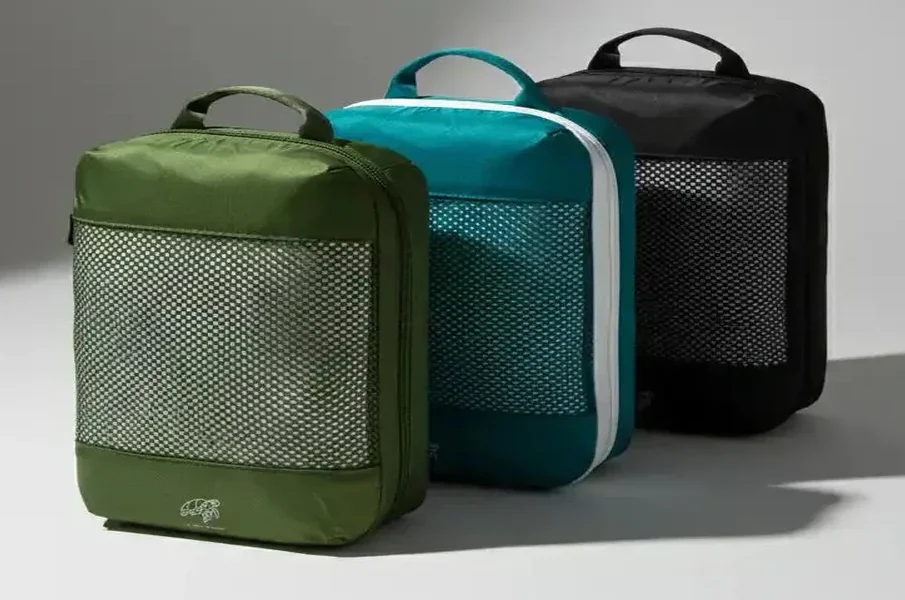
Packing well is a skill, and like most skills it improves with deliberate practice and the right tools. The travelers who seem to move through airports and hotels with suspicious ease aren’t just more minimalist by nature – they’ve usually figured out a system that makes packing faster, more consistent, and easier to live out of once they arrive. The good news is that the system isn’t complicated, and the tools that make it work are inexpensive.
The Case for Packing Cubes
Packing cubes are fabric containers, usually rectangular, that fit inside a suitcase and organize clothing by category. They’ve been around long enough to have moved from travel enthusiast novelty to mainstream staple, and the reason is straightforward: they make both packing and unpacking meaningfully faster and keep a suitcase organized through multiple days of use rather than collapsing into chaos by day three.
The organizational benefit is the obvious one. Tops in one cube, bottoms in another, underlayers in a third – finding what you need without excavating the whole bag is the basic value proposition. Less obvious but equally useful is the structural benefit: cubes give a soft-sided suitcase a more rigid internal architecture that resists the gradual compression and shifting that turns a well-packed bag into a jumbled mess over the course of a trip.
For longer trips or itineraries that involve moving between multiple destinations, cubes also allow partial unpacking without full reorganization. Pulling the cube for a two-night stop and leaving the rest packed is considerably more practical than working out of an unstructured bag.
Compression Bags: Useful, With Caveats
Compression bags – either vacuum-seal bags that require a pump or compression cubes with one-way valves – reduce the volume of clothing by removing air. They work well for bulky items: sweaters, fleece layers, down jackets. For a trip to Alaska, where the layering requirements are real and the clothing tends to be heavier and more voluminous than a warm-weather packing list, compression bags can be genuinely useful for making the math work.
The caveat is that compression doesn’t reduce weight, only volume. If you’re checking luggage and working within a weight limit, compression bags don’t help you carry more – they just reorganize the space. Where they genuinely earn their place is in carry-on travel where volume, not weight, is the constraint.
A compression cube – which looks like a packing cube but has a second zip that compresses the contents – is the more practical everyday version of this technology. It’s less dramatic in its compression than a vacuum bag but significantly easier to use and repack during a trip.
The Right Luggage for the Right Trip
The packing system only works as well as the bag it goes into. Matching luggage to the specific demands of a trip is worth thinking through before defaulting to whatever’s in the closet.
An Alaskan cruise presents a particular set of luggage considerations. Formal dining nights mean bringing clothes that wrinkle – the case for a hard-shell checked suitcase over a soft duffel. Shore excursions that involve kayaking, hiking, or wildlife viewing mean bringing layers and waterproof gear – the case for a daypack that fits inside the main bag and deploys for active port days. The combination of formal and functional clothing across a week or more means generous luggage volume is genuinely useful rather than an excuse to overpack.
For cruise travel generally, the checked bag weight limit is typically more generous than airline limits, which allows more flexibility. The more relevant constraint is that cabin storage is limited and shared. Bags that compress when empty – soft-sided suitcases rather than hard shells – can be stored under the bed or in a closet more easily than rigid cases that hold their shape whether full or not.
Building a Packing List That Actually Works
The most useful packing tool isn’t a product – it’s a list. A master packing list built from the actual contents of your bag on previous trips, refined over time, and adapted for each new destination takes most of the cognitive load out of packing. You’re not trying to remember what you need from scratch each time; you’re working from a tested baseline and adjusting for the specific trip.
Digital list apps work well for this because they can be duplicated and modified without starting over. A master list becomes the template; a copy becomes the specific list for the current trip, with items added or removed based on duration, climate, and activities.
The Discipline That Matters More Than the Tools
The limiting factor in packing well isn’t usually the organization system – it’s the tendency to bring things “just in case” that never get used and take up space that more useful items could occupy. Every experienced traveler has a version of the same story: the outfit never worn, the book never opened, the pair of shoes that went from bag to hotel room to bag without touching the ground.
The discipline is packing what you know you’ll use rather than what you might conceivably need. The tools help you organize and compress what you bring. The judgment about what to bring in the first place is what separates a bag you travel comfortably with from one you’re managing around for the whole trip.
One useful test before zipping up: if you wouldn’t actively miss it if it weren’t there, it probably shouldn’t be there.