Pearl Farm Visits Reveal Traditional Cultivation Methods and Lasting Cultural Heritage
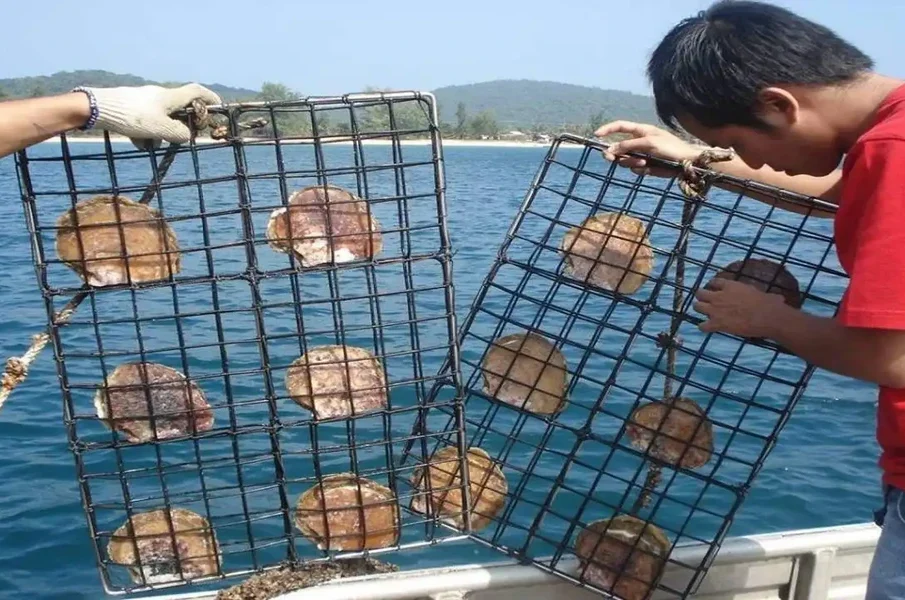
Careful observation helps people value skilled craft passed down through families across long periods. Pearl cultivation reflects patience with careful hands shaping each stage through trusted practice. Every stage shows respect for shared customs with steady learning across generations. Such learning encourages a stronger appreciation for meaningful cultural records through non-beach attractions phuket.
Traditional Craft Shared
Local workers protect valuable knowledge through steady practice with careful attention. Each step follows trusted routines passed from older hands to younger learners. Pearl growth depends upon patience because every stage requires proper timing. Visitors gain better respect after watching skilled work completed with steady focus.
Why Do Methods Matter?
Traditional methods keep valuable customs alive through simple routines followed every season. Natural care supports healthy growth while reducing unnecessary waste through balanced handling. Many visitors appreciate authentic traditions, and non-beach attractions phuket bring greater value by offering genuine cultural learning beyond coastal activities.
- Careful learning strengthens respect for skilled family traditions across generations today.
- Gentle handling protects valuable shells during every important cultivation stage.
- Patient observation encourages a stronger understanding through direct, practical learning moments.
- Traditional knowledge supports lasting cultural identity with steady daily practice.
- Shared responsibility keeps meaningful customs active through honest teamwork every season.
Cultural Stories Continue
Family traditions remain valuable because every generation protects trusted working methods carefully. Historical knowledge stays meaningful through regular practice with thoughtful guidance from elders. Pearl cultivation connects present learning with respected customs carried across long periods. Each activity reflects dedication through simple actions understood by every visitor.
Can Learning Inspire Respect?
Watching skilled hands encourages deeper respect for patient work completed with steady care. Careful observation creates a stronger understanding without needing difficult explanations or technical words. Honest practice shows cultural value through everyday actions shared between family members.
- Young visitors discover meaningful traditions through simple observation with genuine interest.
- Skilled guidance builds lasting respect using clear, practical learning on every visit.
- Shared customs remain valuable through patient teaching across different age groups.
- Traditional routines encourage careful thinking before every important cultivation task begins.
- Honest effort protects cultural identity through dependable family cooperation every season.
Heritage Lives Today
Long-standing customs remain important because families continue trusted practices with sincere care. Every lesson supports a stronger appreciation through direct observation rather than simple stories. Pearl cultivation represents steady dedication carried through changing generations with lasting value. Cultural identity grows stronger whenever traditional skills receive proper respect.
Can Future Generations Continue?
Future family members can protect valuable traditions through regular learning with responsible actions. Careful teaching keeps practical knowledge available for younger people seeking meaningful skills. Pearl cultivation survives because patient guidance remains central throughout every learning stage.
The careful work shown throughout every stage reminds people that genuine traditions deserve lasting respect through steady learning. Shared knowledge creates stronger cultural awareness while encouraging responsible care for valuable customs. Pearl craftsmanship continues to inspire future generations through patient teaching with honest effort. Such understanding helps protect meaningful heritage for years ahead through thoughtful action.
FAQs
Why are traditional cultivation methods still respected by communities today?
They protect cultural knowledge through careful practice across every generation.
What can visitors learn during educational cultivation activities together today?
They understand skilled craftsmanship through direct observation with patient guidance.
Why does cultural heritage remain valuable for future family members?
It strengthens identity through trusted customs shared across continuing generations.