Your Flight Just Got Cancelled: What to Do in the Next Hour
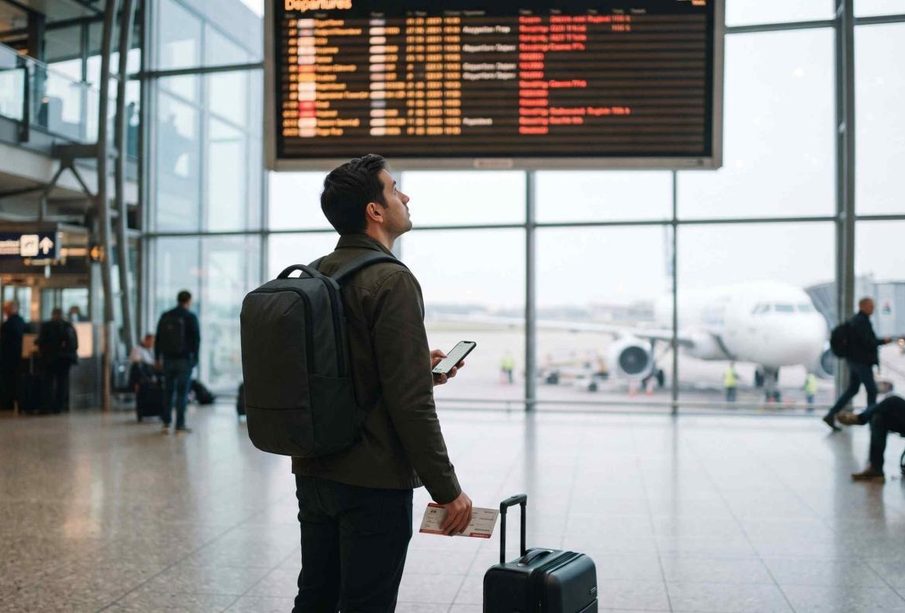
The board flips to “Cancelled” and a few hundred people feel the same sinking drop at once. The next hour decides a lot: whether you sleep in a hotel bed tonight or a plastic airport chair, and whether this disruption costs you money or costs the airline. Most travellers freeze, join one queue, and wait. The ones who get rebooked fastest and protected best do a handful of specific things straight away. Here is exactly what to do, in order.
Move in two directions at once
The single most useful habit is to stop relying on one channel. The moment you see the cancellation, start three things in parallel.
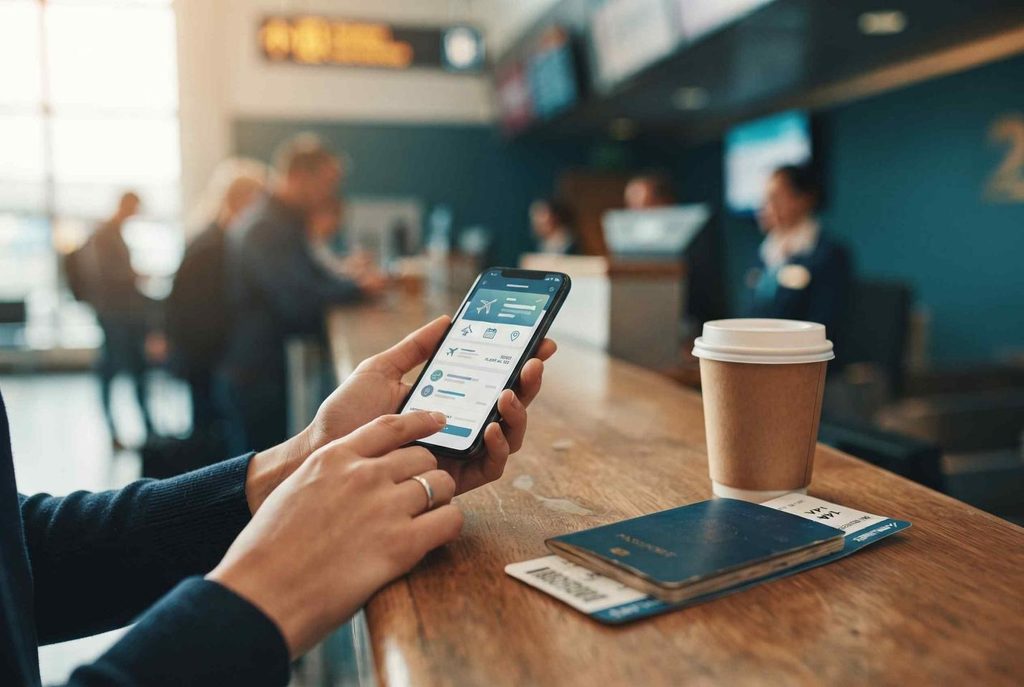
Get in the physical queue at the airline desk. It will be long, and you want a place in it while you work the other options. At the same time, open the airline app and look for self-service rebooking. Many carriers push alternative flights to the app before the desk can process the crowd, and if you can rebook yourself in ninety seconds you can simply step out of the line. Finally, call the airline. If the local number is jammed, try an international line for the same airline, which is often quieter. A partner or friend at home can sit on hold for you while you keep your place at the desk.
Whoever reaches a real human first wins. Treat it as a race with three lanes, not one.
Know what the airline owes you right now
This is separate from any cash compensation, and in many regions it applies no matter why the flight was cancelled, including weather and strikes.
When your flight is cancelled or heavily delayed and you are left waiting, the airline that was due to operate the flight is generally responsible for your care while you wait. In practice that means meals and drinks suited to the length of the wait, usually as vouchers. It means a hotel room if you are delayed overnight, along with transport to and from it. It means a way to make calls or get online.
Airlines rarely announce any of this clearly during the chaos, so ask for it directly. If staff are overwhelmed and you end up buying your own meal or booking your own room, keep every receipt and claim it back afterwards. Keep it reasonable. A sandwich and a mid-range airport hotel will be reimbursed. A steak dinner and a five-star suite probably will not. It is also worth knowing what your own policy will pick up, because some of what the airline declines, such as expenses from a long overnight delay or a missed onward booking, may fall to your insurer instead. Knowing what your travel insurance actually covers before you are standing at a hotel desk at midnight saves a lot of stress.
Rebook or refund
If your flight is cancelled you usually get a choice, and it is worth a short pause to make the right one.
Rerouting means the airline puts you on the next available flight to your destination at no extra cost. If their own next seat is days away, you can ask to be booked on another airline. Many carriers resist this, but under several passenger-rights systems their duty is to get you there, not only to carry you on their own aircraft.
A refund means you get back the unused portion of your ticket. That is sensible if the trip no longer makes sense, but remember that taking a refund ends the airline’s responsibility to you. Choose it only if you genuinely want to abandon the journey or arrange it yourself. Decide based on how badly you need to arrive, not on which queue happens to be shorter.
If you were bumped from an overbooked flight
Being denied boarding because a flight is oversold is a different situation, and usually a stronger one for you. Before you accept anything, ask what you are owed in cash, and whether any voucher they offer has blackout dates or an expiry. Airlines often lead with a travel credit because it costs them less than the cash they may legally owe. You are allowed to decline the first offer. If you are bumped involuntarily, you normally keep your right to care and to rerouting on top of any payment.
You may also be owed money
Here is the part most people miss. If the disruption was within the airline’s control, for example a crew shortage, a technical fault, or plain overbooking, and you reached your destination significantly late, you may be entitled to a fixed cash payment on top of the care and rebooking above. It is separate from a refund and separate from any travel insurance.
The amount usually depends on how far you were flying and how late you arrived, not on what you paid for your seat. It is worth checking even months later, because these claims can normally be made after the fact. To get a quick read on your situation, you can work out what your airline owes you before you contact the airline, so you are negotiating from a position of knowledge rather than guessing.
Protect the claim while you are still there
Whatever happens next, your future self will thank you for five minutes of admin now.
Photograph the departure board showing the delay or cancellation. Keep every boarding pass, booking reference, and receipt in one place. Note the reason staff give you for the disruption, and the time they give it. If they blame weather while the sky is clear and other flights are leaving on schedule, write that down too. Get any promises in writing, or at the very least take the name of the person who made them.
Airlines settle a lot of claims on the paper trail. The traveller with photos and receipts is far harder to brush aside than the one relying on memory.
The takeaway
A cancelled flight is going to cost you time no matter what you do. What it does not have to cost you is money, a night’s sleep, or the rest of your trip. Move on several channels at once, claim the care you are owed while you wait, choose rebooking or refund on purpose, and keep the evidence that turns a vague complaint into a paid claim. Do that, and the board flipping to “Cancelled” becomes an inconvenience you manage, instead of a disaster that manages you.